
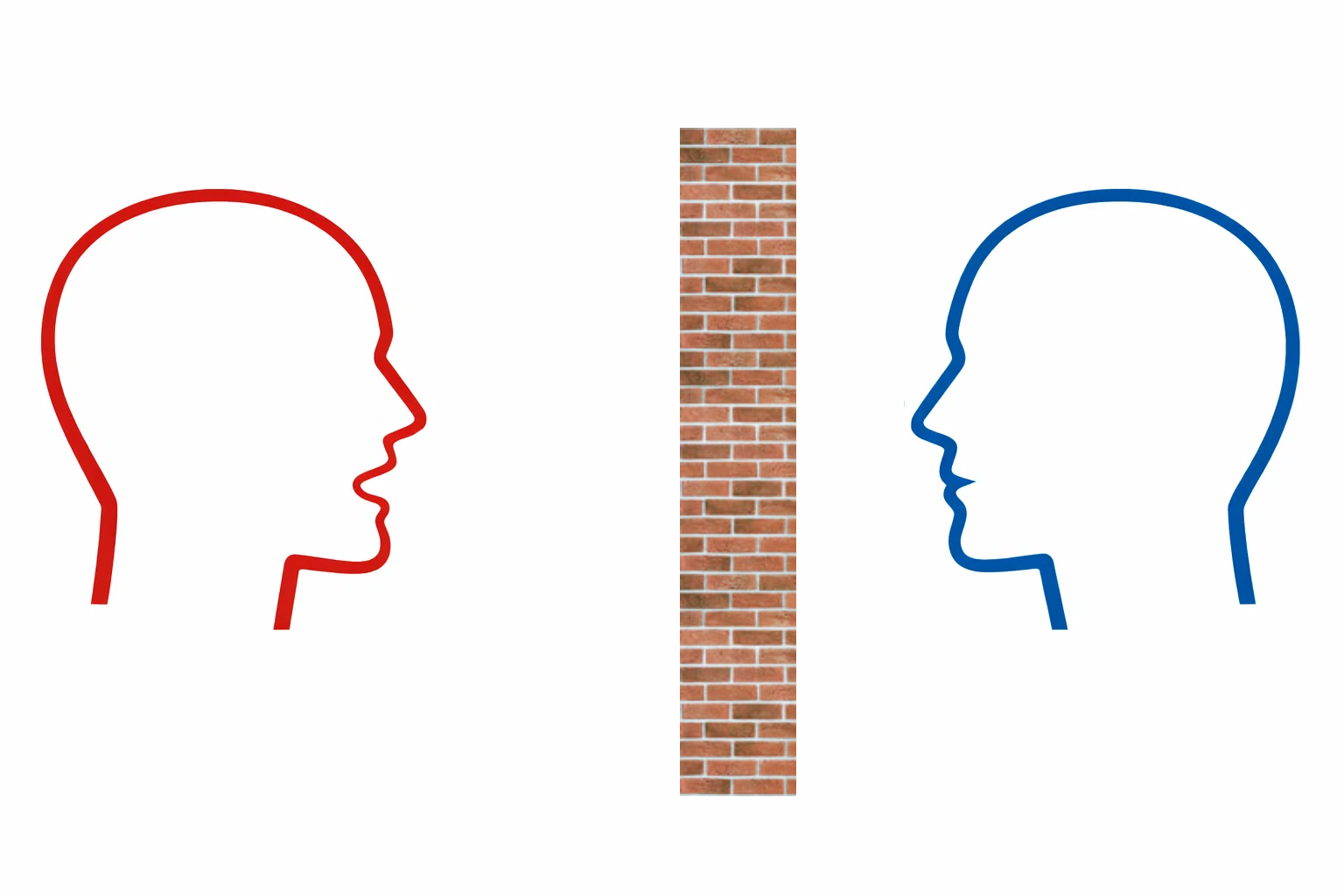
Two Different Realities
The decision maker in a construction company sees the operation through reports, numbers, and project timelines. They know when a project is running late. They know when costs are creeping above budget. They have a broad picture of how the business is performing.
What they rarely see is the friction that produces those numbers.
The site manager lives a completely different reality. Their morning often starts with questions that should have simple answers. Where is the equipment that was supposed to arrive yesterday. Which site currently has the tower scaffolds we need next week. Is there anything available or do we need to place a new order.
These are not complex questions. But in many construction companies, answering them takes time, phone calls, and a fair amount of guesswork.
That daily friction does not appear in any report. It does not show up as a line item. It quietly drains time, creates delays, and erodes margins in ways that are almost impossible to trace back to their source.
What Gets Lost Between the Site and the Office
Information in construction companies tends to travel upward in a filtered form.
A site manager cannot locate equipment and spends forty minutes making calls. That forty minutes does not get reported anywhere. It becomes part of the day, absorbed into the general noise of getting things done. By the time any consequence of that delay reaches management, it has transformed into something else entirely. A project running two days behind. A cost variance that nobody can fully explain.
The root cause, a simple visibility problem, is long gone from the conversation.
This happens constantly and in both directions. Management makes decisions about software, processes, and operations based on the picture they have. But that picture was assembled from information that was already filtered, delayed, and stripped of its operational detail before it arrived.
The result is that the people with budget authority are solving a version of the problem that does not quite match the problem that actually exists on the ground.
The Equipment Location Problem
One of the clearest examples of this gap is equipment location and availability.
For a site manager or foreman, this is a daily operational reality. Equipment moves constantly between sites, depots, and subcontractors. Knowing where something is right now, and knowing what will be available when a new project starts in three weeks, is not a nice-to-have. It is fundamental to doing the job.
When that information is not easily accessible, the workarounds are immediate and practical. You call the depot. You message the foreman on the other site. You check the last delivery note. You make your best guess and hope the equipment shows up when it is supposed to.
None of this is visible to management.
From above, the operation appears to be functioning. Projects are moving. Equipment is being deployed. The reports do not flag anything unusual. But underneath, the team is spending significant time and energy compensating for a visibility problem that a better system could eliminate entirely.
Why the Wrong Software Gets Purchased
When a construction company decides to invest in equipment management software, the decision is almost always made by someone who has never personally felt the pain of not knowing where their assets are.
They evaluate systems based on features, integration capabilities, vendor reputation, and price. These are reasonable criteria. But they are not the criteria that matter to the person who will actually use the system every day.
The site manager needs one thing above everything else. An answer. Fast, accurate, and without friction. Where is my equipment right now, and what will I have available when my next project starts.
If the software cannot answer those two questions quickly, it does not matter how many other features it has. The team will find workarounds. The system will gradually stop being updated. And the information gap between site and management will remain exactly as wide as it was before the purchase.
Before the Software, There were Cultural Changes
Some construction companies have found the answer not in technology but in a simple recurring procedure.
A weekly meeting between site managers and management. Not a briefing. Not a one-way update. Both sides at the table with issues, observations, and suggestions. When specific topics required it, department heads joined for the relevant part. The procurement manager when purchasing was on the table. The operations manager when logistics needed discussing.
What made it work was not the structure. It was the culture behind it.
Site managers in construction are not just workers with clipboards. Whether they hold an engineering degree or have built their knowledge over decades on the ground, they understand the operational reality of a construction site in a way that no report can fully capture. When management treated that knowledge with genuine respect and listened accordingly, the conversation changed.
Decisions that came out of those meetings were better decisions. Procurement choices reflected what was actually needed on site. Processes were adjusted based on feedback from the people living with them daily. Management stopped solving a filtered version of the problem and started solving the real one.
The benefit ran in both directions. Management gained visibility they could not get from reports alone. Site managers gained a channel to influence decisions that directly affected their work. Both sides moved closer to the same picture of reality.
That weekly meeting was essentially a manual system for closing the information gap. It required no software, no implementation project, and no budget. Just the discipline to hold it consistently and the culture to make it genuinely bidirectional.
Not every company has that culture. But the ones that do tend to make better operational decisions across the board, including when it comes to choosing the right software.
Closing the Gap
The companies that manage this well are not necessarily the ones with the largest budgets or the most sophisticated systems.
They are the ones where management understands what the operation actually looks like at ground level. Where the decision maker has spent enough time understanding the site manager's daily reality to know what problem they are actually trying to solve.
When that understanding exists, software decisions change. The question stops being which system has the most features and starts being which system makes it easiest to know where equipment is and what is available.
That is a much easier question to answer. And it leads to systems that people actually use, because they were chosen for the right reasons.
The information gap between site and management is not inevitable. But closing it starts with acknowledging it exists.